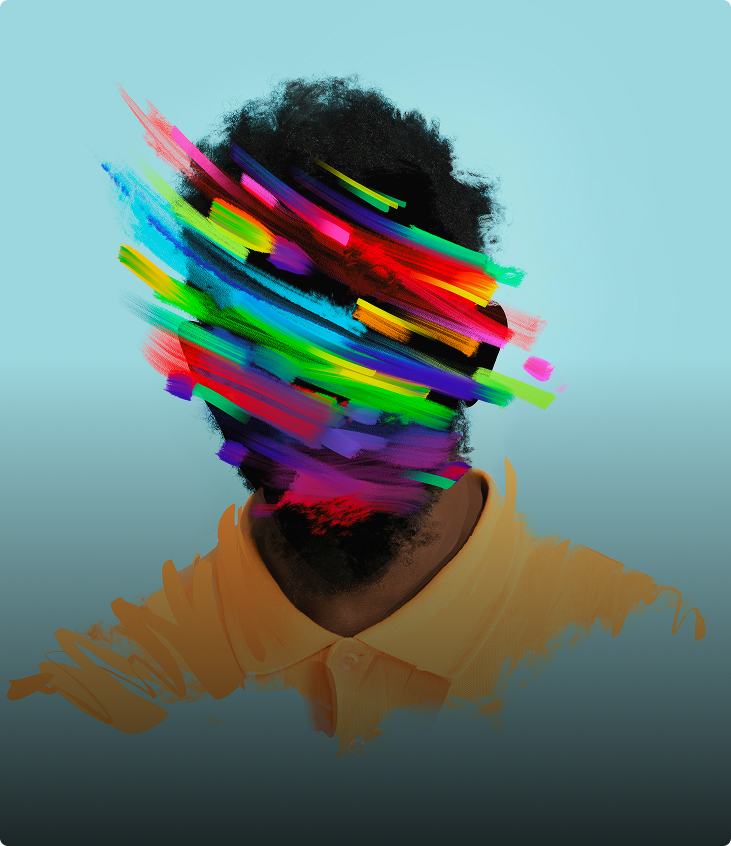
Book: Generation Zalpha

A study by parental control software maker Qustodio of more than 400,000 families and schools worldwide shows that children and young people between the ages of 4 and 18 worldwide spent an average of 112 minutes per day on TikTok in 2023. This is one of the insights from ‘Generation Zalpha’.
This represents an increase of 107 minutes from the previous year. Although YouTube is still the largest streaming app in the world for this age group, children spent 60% more time on TikTok last year. This highlights the evolving media preferences of Generation Z & Alpha.
The research also shows that nearly 20% of children worldwide tried OpenAI's ChatGPT, making it the eighteenth most visited site for children in 2023. These insights show that the digital habits of children, both younger and older, are evolving rapidly and that they are increasingly using emerging technologies such as AI. In addition to using emerging technologies, the research showed that children spent 27% more time watching streaming services than the previous year. Although some services saw price increases, YouTube remained the most used service, with YouTube Kids reaching a record 96 minutes per day worldwide. Netflix remained the second most popular streamer, while TikTok was the most used social app, followed by Facebook.
Micro-generation ‘Zalpha’
These insights highlight the rapidly evolving media preferences of young people. Generation ZAlpha, as introduced by Maarten Leyts (Trendwolves) in his new work of the same name, focuses on the microgeneration of children born between 2008 and 2013, who are at the intersection between the youngest Generation Z, the digital natives, and the oldest Generation Alpha, the children who grew up with the iPad. The name is a contraction of Z and Alpha.
According to the author, the impressions of the pandemic have a “strong” influence on how Generation Zalpha views the future and what expectations they have in terms of learning, shopping, and leisure. 'Zalphas are the virtual natives, young people who embraced technology during the pandemic as a facilitator for their productivity and creativity. They are growing up with Anime and K-Pop, Metaverses, XR, QR, holograms, virtual people, AI, and they inform and relax themselves via Kidfluencers and Kidpreneurs on YouTube, TikTok, Snapchat, and Instagram. Early exposure to digital and virtual worlds, as the figures show, has not only influenced Generation Zalpha itself, but also the role of parents, which in turn brings new challenges in the areas of privacy and technology-based parenting."
International research from 2021 has already shown that media use among children and young people continues to increase worldwide. According to a report by Common Sense Media, 98% of children under the age of 8 use mobile devices, while 65% of children between the ages of 8 and 12 have a smartphone. The report also shows that children spend an average of more than 2 hours a day using screens for entertainment.
Entertainment
"The book provides a wealth of information for anyone who wants to better understand, reach, and engage Gen Z, Zalpha, and Alpha. They are a large and, globally speaking, the best-educated generation ever, are co-creative, global and inclusive, climate activists, and technologically procreative. Generation ZAlpha, subtitle: connecting with the next microgeneration offers a significant amount of information for brands, companies, retailers, and educational institutions that want to gain insight into the ever-changing youth culture and evolving media preferences."
adds the author.
Buy your book here.
Featured in: